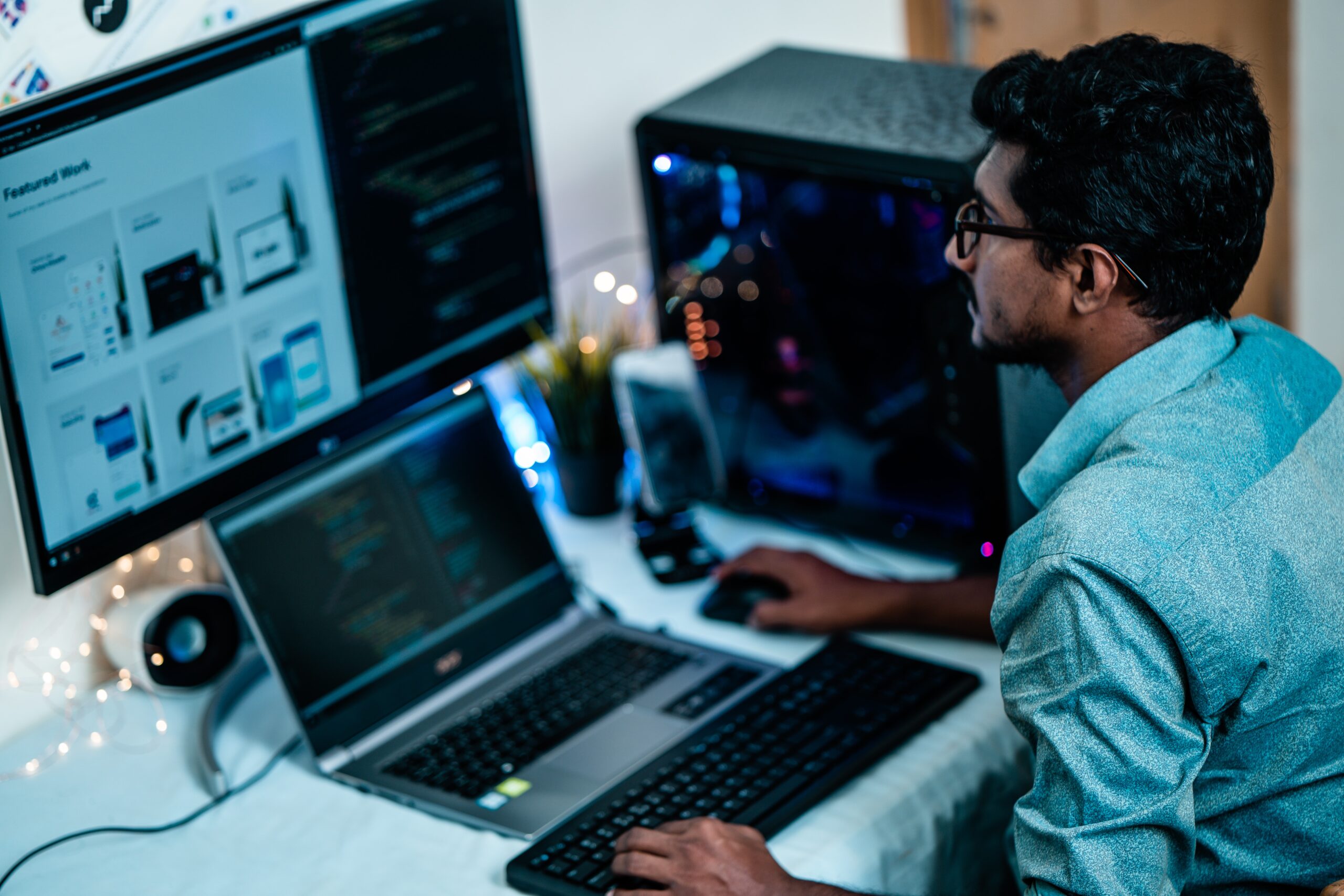
Managing stress with screens:
In our modern world, screens are everywhere. Whether on computers, smartphones, tablets or televisions, we spend a large part of our days interacting with them. Although these technological tools have brought many advantages, it is important to understand their impact on stress and overall well-being.
Stress is a natural reaction of our body to difficult or demanding situations. It is a response that helps us face challenges. However, when stress becomes chronic, it can have harmful effects on our mental and physical health.
An American scientific study (https://www.ncbi.nlm.nih.gov/pmc/articles/PMC6465981/) revealed an interesting relationship between screen use and stress. It appears that people who consider themselves addicted to screens are generally more stressed and use these technologies more frequently for entertainment and social media.
However, it is important to note that this feeling of dependence is not necessarily linked to the existence of actual stress. Indeed, the said study showed that individuals who feel financial, relationship, exam-related or health-related stress tend to turn to screens more intensively. It therefore seems that screen use can be a form of escape or distraction in the face of these stressful situations.
It is also possible that excessive screen use causes a feeling of stress. Indeed, spending long hours in front of a screen can lead to sleep problems, a decrease in physical activity and an increase in sedentary behavior, all factors likely to raise stress levels.
The study found that most people, whether stressed or not, use screens primarily to follow the news and gather information. However, those who feel dependent on screens use them more for entertainment and social networks. In addition, people who use screens for work feel less stressed and are more satisfied with their lives.
Moreover, the use of social networks can also contribute to increasing stress. Indeed, social comparison, fear of missing out or online harassment are all stress-related factors linked to social media use.
Screen dependence seems to be both a cause and a consequence of stress. It is therefore crucial to adopt a balanced and conscious use of technologies to preserve our mental and physical well-being.
Excessive screen use can contribute to increasing our level of stress. Constant notifications, continuous information feed and the pressure to stay connected can overwhelm us and create a feeling of stress. In addition, spending long hours in front of a screen can disrupt our sleep, which can also raise our stress level.
It is also important to note that the type of content we consume on our screens can affect our stress level. For example, constantly reading negative news or comparing ourselves to others on social networks can increase our feeling of anxiety.
Some tips:
It is essential to find a balance and manage our screen use in a healthy way. Here are some strategies that can help:
- Set limits: Define screen-free times each day. This can be during meals, before bedtime, or at any time that suits you.
- Use technology to your advantage: Many apps can help you limit time spent on certain sites or disable notifications during certain periods.
- Be mindful of what you consume: Try to limit your exposure to negative news and not use social networks as a measure of your personal worth.
- Take regular breaks: If you work in front of a screen, take time to break about every hour. This can be a short walk, a stretch or even a brief meditation.
- Practice good sleep hygiene: Avoid exposure to blue light from screens before going to bed, as it can disrupt your sleep.
In conclusion, while screens are an integral part of our daily lives, it is essential to understand their impact on our stress levels and to take steps to manage our screen use in a healthy way. Ultimately, it's about finding a balance that allows us to enjoy the benefits of technology while minimizing negative effects on our well-being.
Reference :