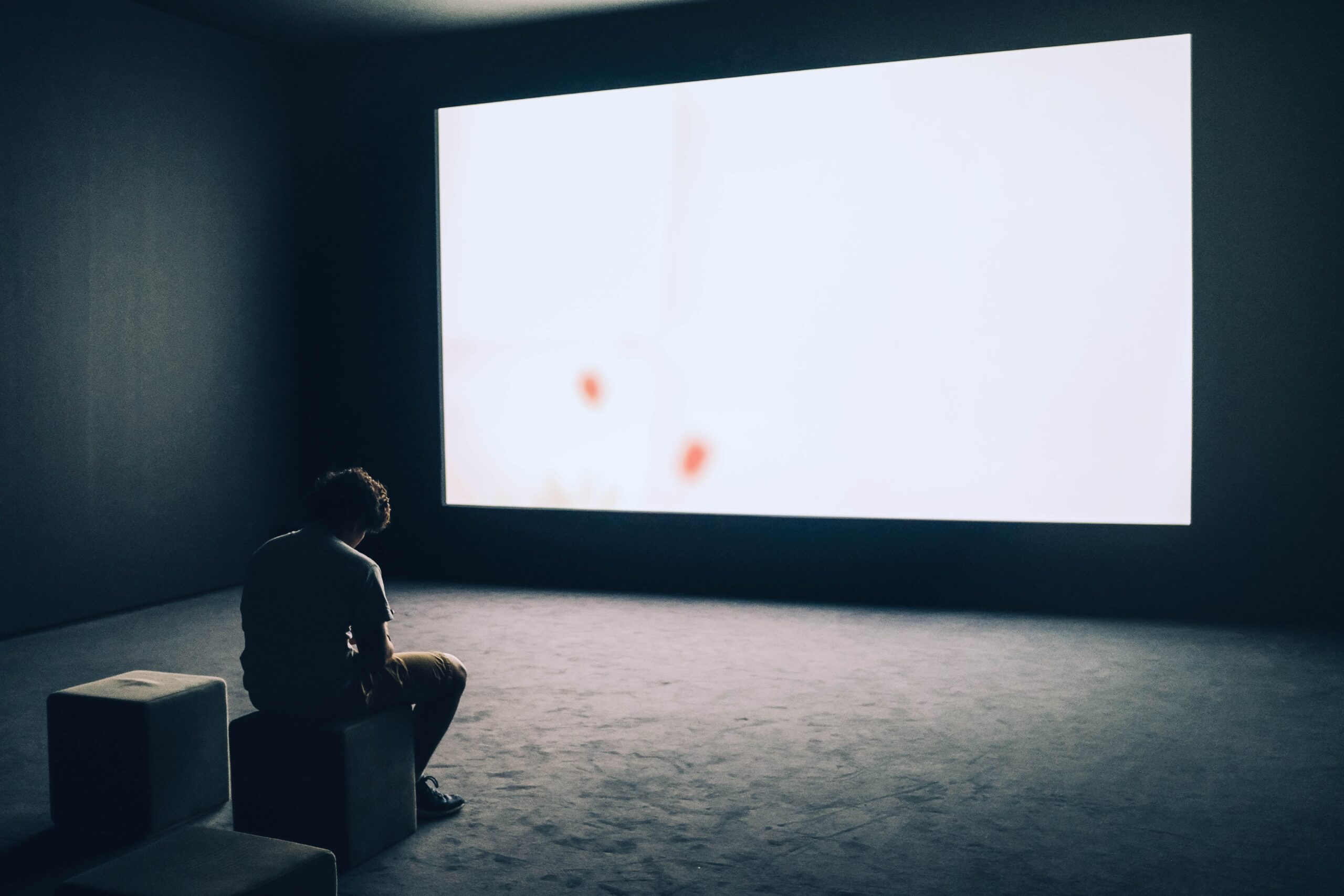
In the digital age, screens are now ubiquitous in everyday life. This can sometimes lead to a state of passivity, especially among young children. Furthermore, early and intensive exposure to screens can have harmful consequences for their development. This article addresses the dangers of screen-induced passivity and offers advice to parents for navigating this complex digital landscape.
What are the dangers of screen exposure in young children?
Screens can affect brain development
Studies show that excessive screen exposure can alter children's brain development. One study found that children under two years old learn significantly less from videos than from in-person interactions, suggesting a deficit effect due to videos REF [^1^]. Screens can affect the brain plasticity of young children, which may have consequences for their learning and memory abilities. They are also likely to affect areas of the brain responsible for attention, concentration, and imagination.
Excessive time spent in front of screens can lead to language delay
Excessive time spent in front of screens is associated with language delays in children, as indicated by a cross-sectional study carried out in Labuan that examined the effects of different types of screen time on the social and emotional development of preschool-aged children REF [^2^]. Indeed, human interactions are essential to language learning.
Screen exposure can affect children's self-esteem
Use of social media is linked to depressive symptoms in adolescents, which can be extrapolated to understand potential impacts on the self-esteem of younger children REF [^3^]. The development of a negative body image and low self-esteem is due to the often unrealistic portrayal of bodies and lifestyles in the media.
Screens can impede children's interaction with the real world
Overexposure to screens risks limiting children's opportunities to explore their environment and interact with others, which is crucial for the development of their social skills. Furthermore, the use of social networks can have negative repercussions, including on:
- their motor development,
- their physical balance,
- their melatonin production,
- their identity formation,
- their communication,
- their emotion regulation,
- their learning processes,
- their memory and language development REF [^4^].
How to limit screen time in young children?
It is necessary to find a compromise in screen use. It is recommended to create a balanced schedule, alternating periods of screen exposure with other activities. Promoting these different pastimes can only be beneficial.
From what age can children use screens?
Experts recommend avoiding any screen exposure for children under 3 years old to promote healthy development.
What are the effects of early screen use in children?
Early use of screens is likely to disrupt children's cognitive and emotional development. Their ability to learn and manage their emotions will then be affected. Screens may also have an effect on motor and cognitive development, as they limit the experiences necessary for growth.
How much time per day should young children spend in front of a screen?
Parents are advised not to expose children under 3 years old to screens. From 3 to 6 years, screen use should be exceptional and very limited, and ideally avoided. For children aged 6 to 9 years, screen time should be limited to one hour daily, mainly for educational purposes and under parental supervision.
Children aged 9 to 12 years can use screens to access educational content without the internet, but always under adult supervision. Between 12 and 16 years old, moderate and supervised internet use is permitted. For adolescents aged 16 to 18 years, increased autonomy in internet access is conceivable, provided it serves educational and informative purposes, and constant adult supervision is no longer considered necessary.
How can screens influence the development of young children?
Screens influence young children's development by reducing the time spent on essential developmental activities. They also limit real interactions and present content that is not always age-appropriate for the child.
What are the health risks for young children in front of screens?
Health risks include obesity, sleep disorders, and vision problems.
How do screens affect young children's learning?
Screens can distract children from active learning and reduce opportunities for social interaction necessary to develop language and emotional skills. Thus, time devoted to more active and interactive learning activities is restricted.
How can screen use influence children's behavior?
Overexposure to screens is likely to lead to passive behaviors, where children become less active in their environment and in their social interactions. This may also cause attention disorders, irritability, and aggressiveness.
The relationship between screen overexposure and passivity
Passivity in children can be exacerbated by excessive screen use. They are then less inclined to explore and actively participate in their environment.
What is passivity?
Passivity is a lack of initiative or activity, where the child may appear uninterested or indifferent to their environment. It is often the result of passive consumption of digital content, without interaction or creativity.
How to know if your child has become passive?
Signs of passivity include a lack of interest in non-digital activities as well as difficulties concentrating without a screen and interacting with other children, or a lack of curiosity. Adults should be alerted at the first appearance of these different symptoms.
How to prevent your child from becoming passive?
Encourage activities that stimulate imagination and interaction, such as role-playing games, puzzles, and artistic activities. Pay attention to them and give them your time; this will promote their overall balance.
What recommendations for parents regarding screen use?
Adults should establish clear rules such as setting the number of hours per day to spend in front of screens, scheduling regular breaks, and ensuring that content is age-appropriate for the child. It is then necessary to put healthy limits in place. Children and parents should also share quality time for the well-being of all. All parents should also monitor content, encourage screen-free activities and be role models in media use.
How to find a balance between screen use and other activities for young children?
It is important to plan varied activities and establish daily routines that include time away from screens.
What are the alternatives to screens to entertain young children?
Alternatives include books, board games, craft activities and time spent in nature.
What are the important points to consider before allowing children to use screens?
Consider the child's age, the type of content and the duration of time in front of the tablet or other type of screen.
In conclusion
Screen-induced passivity in young children is a worrying issue that requires particular attention. Parents should be guided by current research to limit screen exposure and promote healthy development. It is essential to adopt a balanced approach, prioritizing in-person interactions and enriching screen-free activities. It is therefore important to follow expert recommendations and ensure a balanced use of screens, favoring human interactions and enriching offline activities.
Disclaimer
The information provided in this article is intended for educational purposes and should not be construed as professional medical advice. Each child is unique and recommendations may vary depending on individual situations. It is always advisable to consult a health professional for guidance tailored to your child. Screen-use practices should be adjusted taking into account the needs and development of each child.
References
REF [^1^]. Becker, L. (n.d.). The Effects of Screen Media Exposure on Children’s Word Learning. Abstract
REF [^2^]. Rahman, P. A., & Azureen, M. (n.d.). Different Types of Screen Time and its Effect Towards Social and Emotional Development among Preschoolers in Labuan. Abstract
REF [^3^]. Acheson, R. (2022). Research digest: Digital technology and its impact on child mental health. Abstract
REF [^4^]. Almeida, I., Mesquita, C., & Bravo, J. (2023). The Effects of Social Media on Child Development. [Titre de l’article]. Journal de la santé de l’enfant. https://atenaeditora.com.br/catalogo/dowload-post/76404.