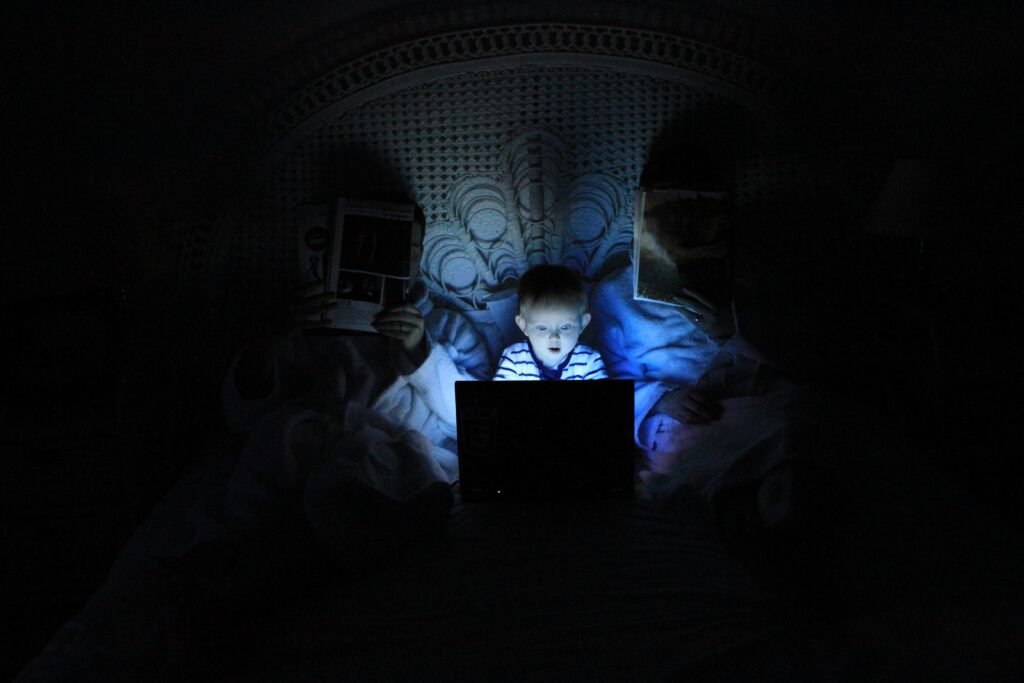
Screens have become ubiquitous in our modern society. Children today are exposed to a multitude of digital devices, such as phones, tablets and computers, from a very young age. Although these technologies can offer many benefits, they can also have harmful effects on children’s self-esteem.
Self-esteem is the subjective evaluation we make of ourselves. It is formed by our thoughts, feelings and beliefs about our own worth and our ability to succeed. Self-esteem is essential for children’s emotional well-being and mental health, as it influences their confidence, their ability to cope with challenges, and their capacity to form healthy relationships with others.
Excessive screen use can undermine children’s self-esteem in several ways
First, digital media can promote unrealistic beauty standards. Retouched images and ideals of physical perfection presented on social media and in the media can lead children to compare themselves to others and feel dissatisfied with their appearance. This can lead to lowered self-esteem, eating disorders and excessive concern about their body image.
Screens conveying unreal images (cartoons, video games) can negatively influence a child’s perception of the world, giving them a distorted image. Programs watched by children make them vulnerable to their content: even a children’s program can create anxiety in a child, depending on their level of maturity. The child is therefore dependent on the content of that program, without the parent having had precise control over it. 1
Moreover, screens can lead to addiction and the loss of valuable time for social and physical activities. Children who spend too much time in front of screens may find themselves socially isolated, which can have a negative impact on their self-esteem. Face-to-face interactions are essential for developing social skills, learning to manage conflicts and forming emotional bonds with others. By spending too much time in front of screens, children can miss these valuable learning opportunities.
Additionally, excessive screen use can harm children’s self-confidence by preventing them from tackling real challenges. Video games and online activities can provide an immediate sense of accomplishment, but they do not allow children to develop real skills that can strengthen their self-esteem in the long term. For example, playing a video game can give the impression of being competent and successful, but this does not necessarily translate into real life. Children need real challenges to develop their confidence and self-esteem.
Some advice :
It is therefore essential to limit screen time and to promote balanced activities that support the healthy development of children’s self-esteem. Encouraging physical activities, face-to-face social interactions and creative hobbies can help children develop their confidence and self-esteem. It is also important to talk with children about the idealized images they may see on screens and to teach them to critically evaluate media messages.
In conclusion, screens can have a negative impact on children’s self-esteem. It is essential to limit screen time and to promote balanced activities that support the healthy development of self-esteem. Face-to-face social interactions, physical activities and creative hobbies are essential for strengthening children’s confidence and self-esteem. As parents and educators, it is our responsibility to ensure that children grow up in a healthy and balanced environment that supports their emotional development and well-being.