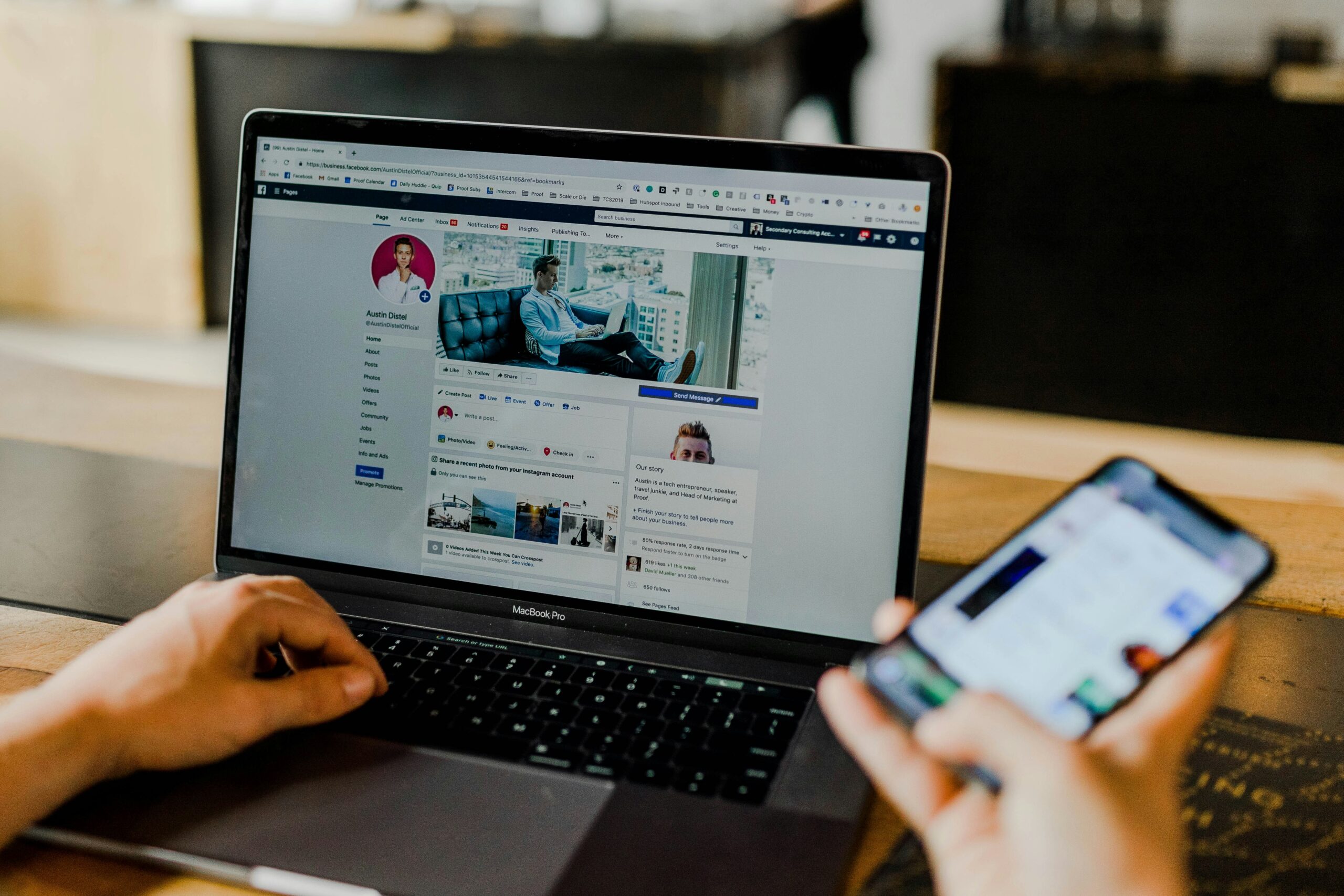
Social networks now occupy a predominant place in our lives. It is almost impossible to escape them. Young and old use them for different reasons: socializing, communicating, following the news, etc. These platforms present advantages, but also drawbacks. Social networks such as Facebook, Instagram, TikTok, or YouTube were created to attract attention, but also to keep it. The challenge today is to find the right balance to avoid potential excesses.
Social networks as tools for maintaining social ties
Facilitating long-distance communication
Social networks have revolutionized the way we communicate because they make it possible to keep in touch with loved ones who are geographically distant. A study by Myra Sader emphasizes the importance of perceived social support through networks, indicating that the strength of virtual ties can reduce occupational stress by facilitating access to colleagues' support REF [^1^]. According to a study published in February 2023, 59% of the world population uses these platforms.
Benefits for isolated or mobility-impaired populations
For people who are isolated or have reduced mobility, social media are a window on the world. They make it possible to take part in social life without physical barriers. These platforms thus offer support and a sense of belonging.
Social networks and community support
Forums and online groups are spaces where one can find advice and assistance. The study by Heller, Swindle, and Dusenbury shows how social "support", including in virtual environments, can play a prophylactic role against stress and mental illness REF [^2^].
Social networks as a source of stress
The pressure of social comparison
Constant comparison with others on social networks can have a negative impact on self-esteem. The work by Marie-Pierre Fourquet-Courbet and Didier Courbet, "Connectés et Heureux – Du Stress Digital au Bien-être Numérique", highlights the deleterious effects of this comparison while proposing ways to develop a digital intelligence that protects our well-being REF [^3^].
Information overload and addiction
The overabundance of information and the difficulty of disconnecting often lead to excessive use of social networks, a source of stress and anxiety. Digital stress is one of the major drawbacks of this overconsumption. The authors Fourquet-Courbet and Courbet also discuss the importance of managing digital consumption to maintain a healthy balance.
Cyberbullying and its consequences
Cyberbullying represents the dark side of social media, with serious consequences for mental health. Research highlights the need to create safer online environments and to promote respect and empathy in virtual interactions.
Strategies for healthy social media use
Setting usage limits
Defining clear limits for social media use is crucial. This can include periods of disconnection and the conscious selection of content that enriches life.
Promoting mindful and positive use
Following accounts that inspire and encourage positive interaction can positively transform the social media experience. Education about the risks and benefits of these platforms is fundamental for all subscribers.
Awareness and education
It is important to educate users, especially young people, about the advantages and harmful effects of these platforms. This includes promoting thoughtful use and implementing strategies to manage digital stress.
FOMO: a driver of social media addiction
FOMO, or the fear of missing out, is a powerful psychological phenomenon that plays a significant role in social media addiction. This feeling is fueled by constant exposure to others' highlight moments, often idealized, that are displayed on these platforms.
Understanding FOMO
FOMO arises from social comparison, a process by which individuals evaluate their own lives based on the experiences shared by their peers online. This comparison can lead to feelings of inadequacy, jealousy, or the fear of missing out on experiences deemed important.
Impacts of FOMO
The impacts of FOMO are multiple and include, among others:
- Anxiety and stress: Constant worry about not being up to date with the latest news or social events sometimes increases levels of stress and anxiety.
- Excessive social media use: To combat this feeling, individuals find themselves checking their feeds compulsively.
- Deterioration of real-life relationships: FOMO leads to neglecting real-world relationships and activities in favor of increased online presence.
Strategies to manage FOMO
To counter FOMO, practicing gratitude and focusing on the positive aspects of one's own life helps reduce the need for social comparison. Voluntary disconnection, consisting of taking regular breaks to reconnect with the real world and its activities, is recommended. It is also important to recognize that online representations are often idealized and do not reflect the complexity of real life.
In conclusion
Social networks have the potential to enrich lives but can also be a source of stress. Mindful and balanced use, as well as awareness of potential dangers, are the keys to getting the most out of them and preserving mental well-being.
Disclaimer
This article is for informational purposes and is based on scientific research. It does not replace advice from a healthcare professional.
References
REF [^1^]. Sader, M. (2018). Colleagues' social support and work stress: an approach through social network analysis.
REF [^2^]. Heller, K., Swindle, R., & Dusenbury, L. (1986). Component social support processes: comments and integration.
REF [^3^]. Fourquet-Courbet, M.-P., & Courbet, D. (2019). Connectés et Heureux – Du Stress Digital au Bien-être Numérique.