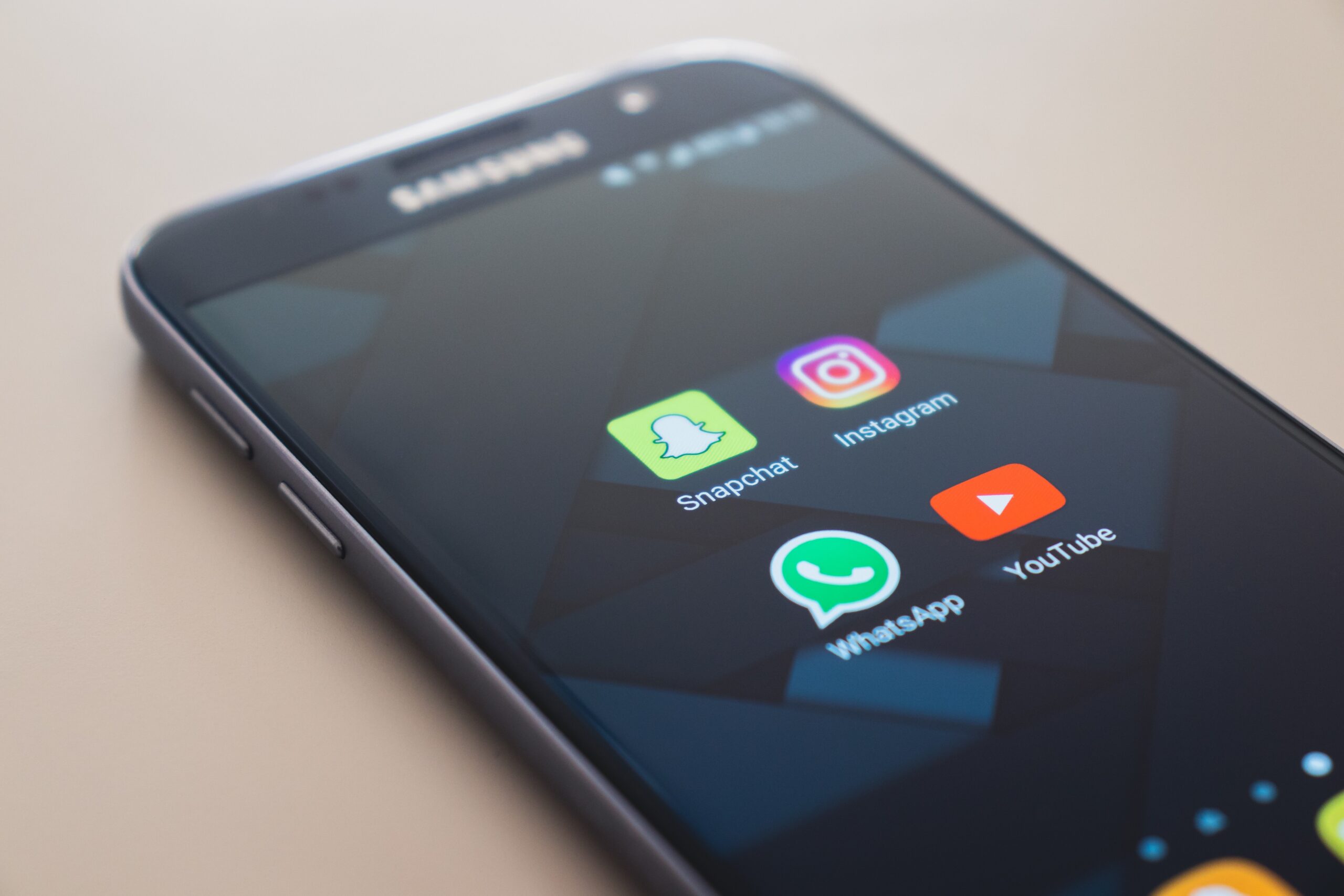
The digital age has seen the emergence of numerous social networks that have radically transformed our way of communicating, sharing information and socializing. However, excessive use of these platforms has also been associated with an increase in stress. This article will explore the complex relationship between stress and social networks.
Social media is everywhere
Facebook, Instagram, Twitter, Snapchat – the names are familiar to almost everyone. These platforms allow us to stay connected with our friends and family, to share our thoughts and experiences, and to learn about various topics. However, this constant connection can take a toll on our mental well-being.
Social media and stress: the link
Several studies have shown that intensive use of social media can increase stress levels. There are several reasons for this. First, social media can create pressure to be always "connected" and to respond quickly to messages. Second, they can lead users to compare themselves negatively to others, which can result in feelings of inadequacy or jealousy. Finally, social media can also be a source of conflict and harassment.
1- The pressure of constant connectivity :
In our hyper-connected world, it is easy to feel compelled to constantly check our social media accounts. This can create pressure to be always available and responsive, which can lead to feelings of stress. In addition, the expectation to reply quickly to messages can also disrupt our ability to concentrate on other tasks.
2- Social comparison :
Social media is often filled with images of perfect lives, exotic trips and professional successes. This can lead some users to compare themselves negatively to others, which can result in feelings of inadequacy and stress. It is important to remember that people tend to share the best aspects of their lives on social media, and that these images do not necessarily reflect reality.
3- Online conflicts and harassment :
Unfortunately, social media can also be a platform for conflicts and harassment. Online arguments can quickly become stressful and exhausting, and cyberbullying can have a significant impact on the mental well-being of the targeted person.
Internet & Fear of missing out
This study (https://www.sciencedirect.com/science/article/pii/S235285321730007X) explores how the "fear of missing out" (FoMO) can lead to problematic Internet use. The researchers found that negative psychological symptoms such as depression or social anxiety can lead individuals to turn to the Internet as a refuge. Moreover, when these people experience strong FoMO, they become even more likely to develop problematic Internet use.
The study also reveals that FoMO and using the Internet to avoid real-life difficulties can both act as "mediators", amplifying the influence of psychological symptoms on problematic Internet use.
Furthermore, the researchers found that the social aspects of Internet use play a crucial role. For example, people who feel lonely or who have difficulty interacting socially in real life may be particularly drawn to using the Internet, allowing them to connect more easily with others.
The study suggests that interventions aimed at helping people with problematic Internet use should take these factors into account. For example, they could help individuals develop better real-life social skills, or identify strategies to manage their FoMO.
Managing social media–related stress
It is important to take steps to manage stress related to social media. This can include limiting the time spent on these platforms, setting boundaries for online availability, and reminding yourself that the perfect images we see are not always an accurate representation of reality. Additionally, if you are a victim of online harassment, it is important to report the incident to the relevant platform and seek support.
It is important to note that social media are not inherently bad. They can be used positively to keep in touch with loved ones, share moments of joy, learn and raise awareness about various important causes. The challenge is to use them in a balanced and mindful way.
Social media have many advantages, but they can also contribute to increased stress. It is important to understand this complex relationship and take measures to protect our mental well-being. After all, the purpose of these platforms is to help us stay connected, not to stress us out.
References :
https://www.ncbi.nlm.nih.gov/pmc/articles/PMC6465981/
https://www.sciencedirect.com/science/article/pii/S235285321730007X